One coordinated line
Robot, conveyors, inspection and packaging exchange clear ready, run, stop, full and fault conditions.
Connect the moulding cell to the equipment that turns individual cycles into packed production. We define conveyor flow, buffering, checks, counting, packing interfaces and safe control across the complete line.
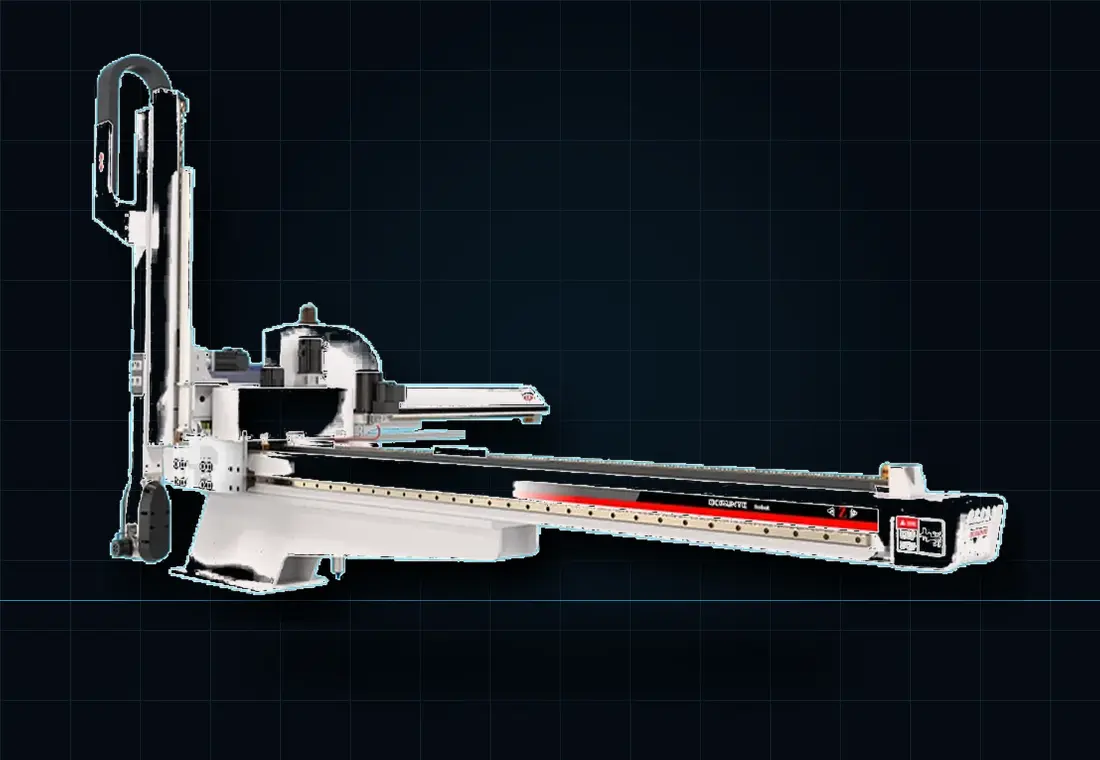
The robot is one element in a coordinated production system. The strongest result comes from defining the product, mould sequence and next operation together.
Robot, conveyors, inspection and packaging exchange clear ready, run, stop, full and fault conditions.
Buffers and accumulation reduce unnecessary moulding stops when a downstream operation pauses briefly.
Sensors, vision or weighing can confirm the expected component quantity before a bag, box or tote is released.
We define the equipment and interfaces required to turn a representative robot platform into a workable moulding-cell solution.
See how we integrate cellsWe compare mould cycles, cavities, pack quantities, changeovers and downstream downtime to size the real line capacity.
Each machine gets an agreed signal set and fault behaviour so a local issue produces a controlled response across the line.
Replenishment, pack removal, cleaning and fault recovery are considered alongside guarding and safety zones.
Usually, subject to its controls, physical infeed and available interface signals. We review the existing equipment before confirming the integration scope.
Appropriate buffers, parallel lanes and full-condition logic can absorb short downstream pauses. The required buffer is based on cycle data and recovery time.
Yes. Depending on the component, counting may use beam sensors, vision, indexed pockets or checkweighing, with pack-present and completed-pack confirmation.
Send the machine details, part and sprue information, target cycle and a photo or video. We will define the next engineering step.