Correct orientation
Feeders, nests and vision can establish insert identity and orientation before the robot enters the mould.
Orient and place inserts into the mould before each injection cycle, with positive presence checks and controlled recovery. We can integrate feeding, presentation, end-of-arm tooling, machine handshakes and post-mould handling.
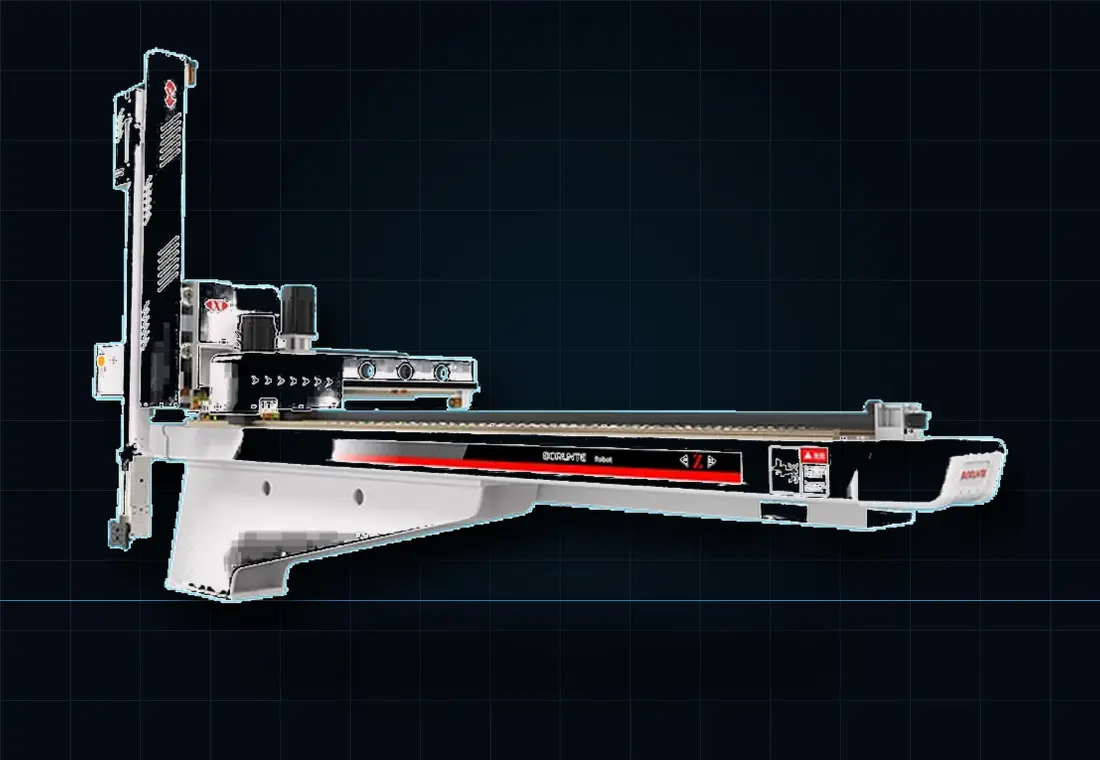
The robot is one element in a coordinated production system. The strongest result comes from defining the product, mould sequence and next operation together.
Feeders, nests and vision can establish insert identity and orientation before the robot enters the mould.
Sensors can verify insert pickup, retention and release to prevent a cycle starting with an empty or misloaded position.
One coordinated sequence can unload the finished part, load the next inserts and present output to inspection or packing.
We define the equipment and interfaces required to turn a representative robot platform into a workable moulding-cell solution.
See how we integrate cellsThe feeder and escapement must deliver one correctly oriented insert at the takt time, with enough buffer to avoid starving the moulding machine.
Compliant tooling, lead-ins and controlled insertion forces help accommodate real-world insert and mould-position variation.
A defined presence-check strategy reduces the risk of tool damage or incomplete components.
Typical applications include threaded brass inserts, pins, bushes, electrical contacts, labels and decorative elements. Suitability depends on geometry, presentation and placement tolerance.
Often, yes. A combined end effector can load inserts and collect the completed moulding, provided the cycle window and payload allow it.
The control sequence can require confirmed pickup and placement signals, backed by sensors or vision, before the robot sends a mould-clear and cycle-permit signal.
Send the machine details, part and sprue information, target cycle and a photo or video. We will define the next engineering step.